
TL;DR
- Romanian prosecutors dismantled a €107M affiliate fraud network that had operated since 2019 across 13 countries.
- The engine was a legitimate-looking affiliate platform with publishers, creatives, payouts, and tracking that sold fake cancer cures to sick people and coached affiliates on how to dodge platform detection.
- Six people arrested so far, 196 sites blocked, and 400+ product names identified. If you run traffic in health or nutra, the red flags section is worth reading before your next campaign goes live.
I've been in affiliate marketing long enough to recognize a nutra affiliate funnel when I see one described in a criminal indictment. What DIICOT, Romania's organized crime prosecution directorate, announced on May 14 is exactly that: a fully operational affiliate program, with publishers, payouts, creatives, and a backend tracking platform, that ran for seven years across the EU before Europol shut it down.
Most coverage of this story focused on the arrests and the fraud angle; however, I’d like to discuss the part that didn't make headlines: how the distribution was built, and why it should concern anyone working in health, nutra, or direct-response affiliate verticals.
What Actually Happened
On May 12, 2026, DIICOT's Iași office executed 41 search warrants across seven counties in Romania. Simultaneously, over 100 additional searches ran across 12 other countries: the UK, Italy, Spain, the Czech Republic, Cyprus, Estonia, Greece, Latvia, Lithuania, Slovenia, Slovakia, and Ukraine, coordinated in real time through Eurojust and Europol.
Six people were arrested on preventive grounds in Iași, Romania. Three more were detained in Poland, and 10 others are under investigation in Moldova.
The network had been running since 2019. The estimated victim damage: over 107 million euros, plus 371 million Romanian lei, 1.76 million Bulgarian lev, and 1.3 billion Hungarian forints. At an average of 35 euros per unit, the 250,000 boxes of product seized during the raids alone represented potential future harm of over 8.6 million euros.
The products positioned as cures for cancer, diabetes, cardiovascular disease, musculoskeletal conditions, prostate problems, psoriasis, and obesity had no demonstrated therapeutic value, and many weren't authorized for sale anywhere.
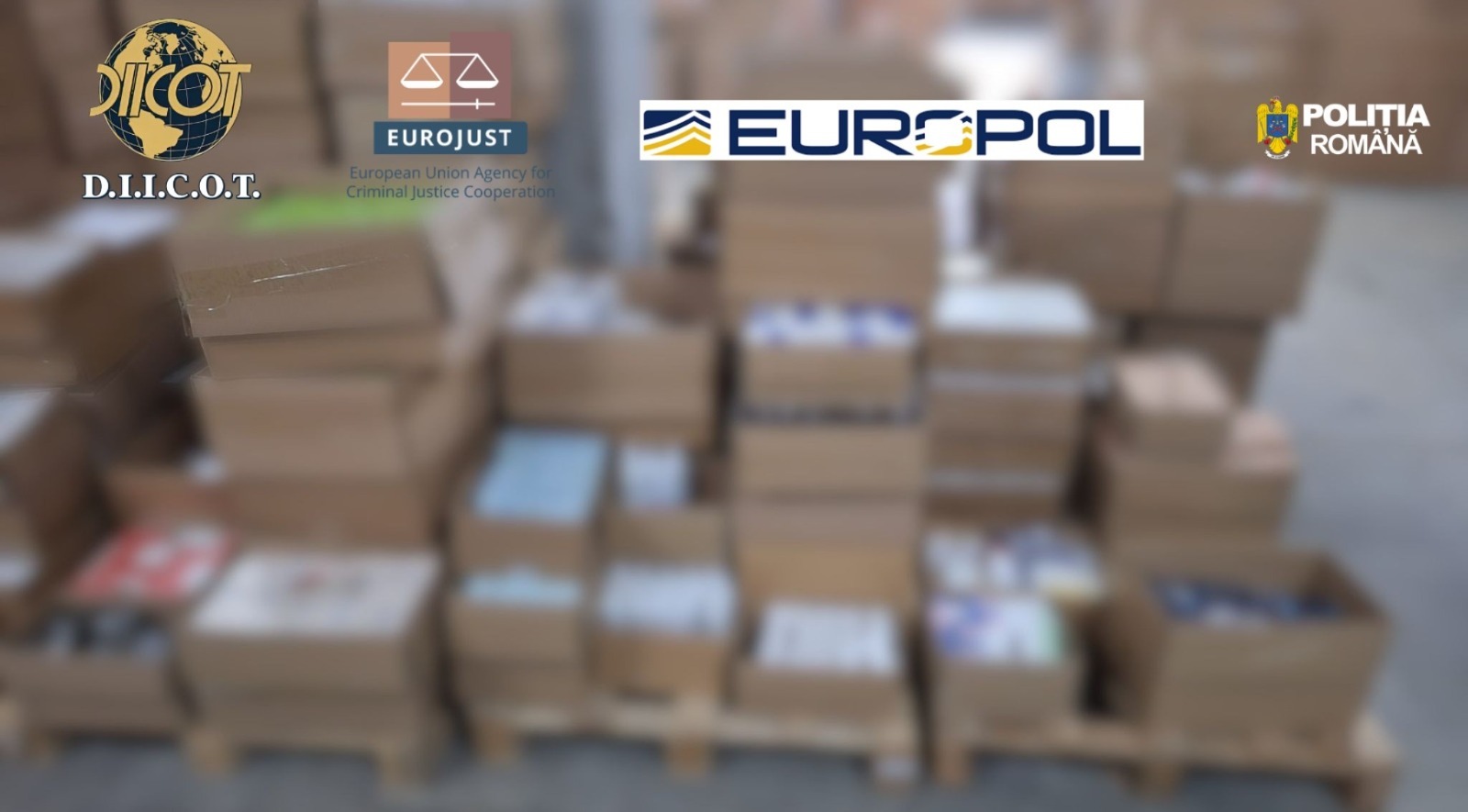
When a product began to accumulate customer complaints about no improvement, the affiliate network renamed and relaunched it.
DIICOT identified over 400 product names and blocked 196 websites.
The Affiliate Structure, As Described by Prosecutors
This is the part I want to be precise about, because DIICOT's own statement clearly describes it.
The network's distribution was built around a company that presented itself as an affiliate marketing platform. In their words, a company that sells products through commission-paid partners. That is an affiliate network.
This platform recruited publishers and gave them templates to build hundreds of sites. It managed the creative assets, tracked conversions, and handled payouts. The publishers were also coached on building social media profiles that would pass platform authenticity checks.
According to DIICOT, the operation ran across four distinct tiers:
Tier 1 — The corporate and product layer.
Legal-looking companies were set up across multiple jurisdictions to hold bank accounts, issue invoices, and receive payments. Products were manufactured or sourced without regulatory authorization. VAT evasion alone caused around 6.5 million euros in damage to the Romanian state.
Tier 2 — The affiliate platform.
The central entity managed publisher relationships, tracking, payouts, and creative assets. DIICOT called it a company that built multiple networks of virtual sellers.
Tier 3 — The publisher layer.
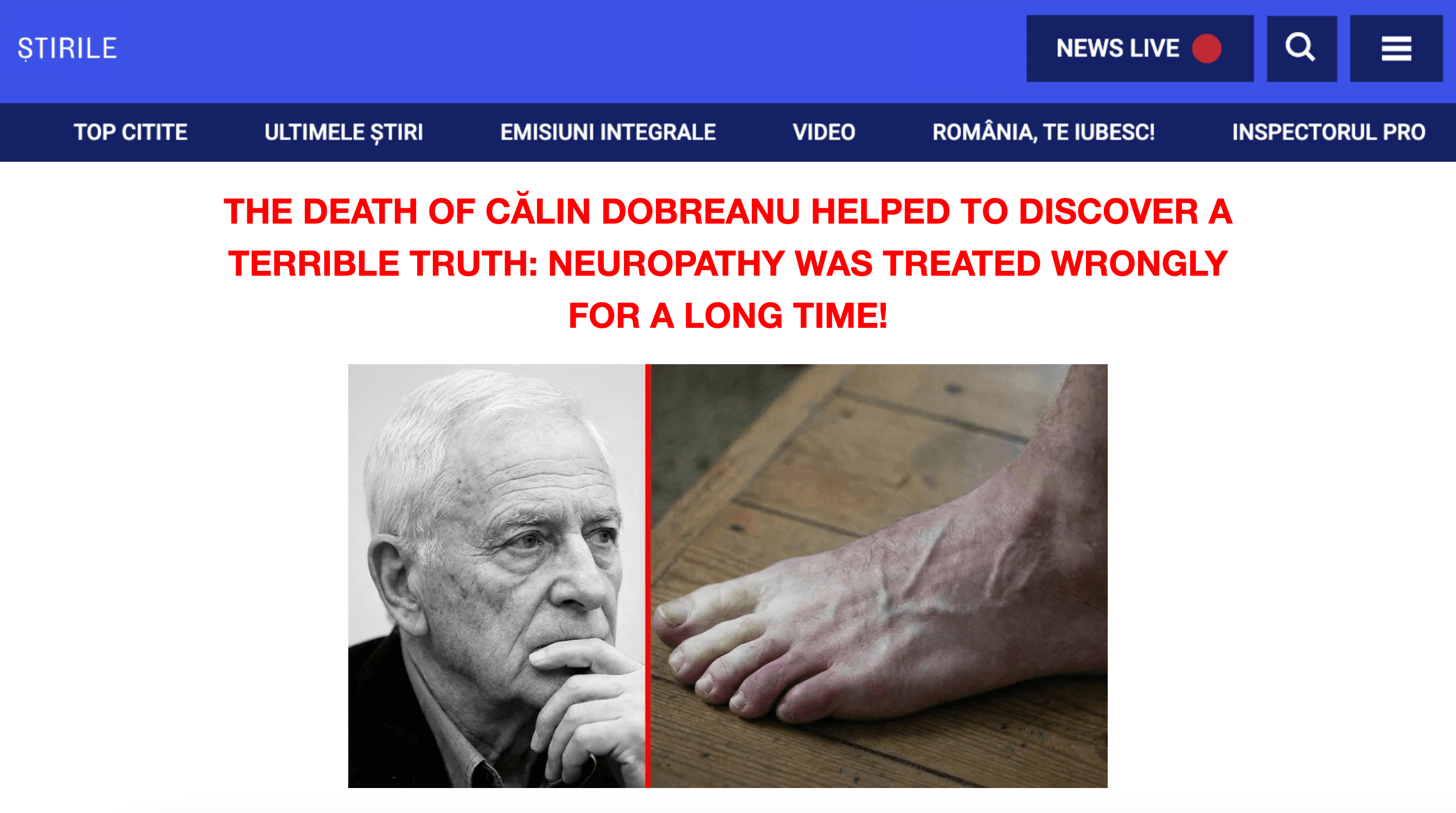
Hundreds of sites, all built from the same template, with fabricated testimonials, fake before/after stories, stolen identities of real Romanian doctors, and unauthorized logos from public health institutions. DIICOT notes that publishers were specifically trained to make their social accounts appear legitimate and avoid detection by platform trust systems.
Tier 4 — The call center closes the sale.
When a prospect submitted a lead form, trained call center operators who presented themselves as medical specialists called to close and upsell. They targeted people with serious conditions who had expressed desperation for a solution, pushing them to order more and, in some cases, to stop taking their prescribed treatments.
What are the Charges
The charges against those arrested cover: constituting an organized criminal group, aggravated continued fraud, continued computer fraud, money laundering, and continued tax evasion.
Digital falsification is the charge that directly covers the content side: creating fake articles, fabricated doctor endorsements, and counterfeit institutional branding. It is not a charge reserved exclusively for the people who manufactured the pills. It covers whoever created the deceptive digital content, regardless of where they sat in the chain.
Red Flags Worth Knowing
The health and nutra space includes legitimate operators running fully compliant programs. It also includes a spectrum that ends where this case begins.
While I don’t run any NUTRA offers and I never did, after twenty years in this industry, these are the signals I would watch for:
On the product:
- Claims that a supplement treats or cures a named condition rather than "supports" general health
- Products with no verifiable regulatory authorization in the target market
- Messaging that encourages users to discontinue prescribed medications
- No traceable manufacturer, like a company name, regulatory filings, or physical address
On the creative:
- Pre-made landers using unverifiable "doctor" stock photos
- Fake news article formats mimicking real publications
- Borrowed credibility from health institutions (WHO branding, national health ministry logos)
- Testimonials using reverse-image-searchable stock photos
- Instructions to suppress or dispute negative reviews
On the program itself:
- No registered business identity for the advertiser
- Crypto-only payouts with no contract
- Creatives you're told not to run on Google or Facebook because they "get flagged."
- An affiliate manager whose primary value-add is teaching you how to avoid compliance detection
- Commission structures that are only economically rational if conversions are driven by emotional pressure rather than product value
A program whose competitive advantage is "we know how to stay under the radar" is describing exactly the situation that culminated in 41 search warrants being executed simultaneously across seven Romanian counties.
Why This Matters Beyond Legal Risk
Fraud-dependent affiliate income doesn't compound and leaves nothing behind but frustrated clients.
Networks like this one run on constant product rotation, domain cycling, and staying ahead of enforcement.
The moment the operation is taken down, or the tracking infrastructure is seized, as happened here, the income stops. Also, what you built has a negative value; it becomes evidence.
Legitimate affiliate businesses, built on real products and honest traffic, generate something that persists. You can document the revenue history and grow it into something that continues to earn after you stop actively working on it.
If you run an affiliate program, manage a network, or broker advertiser-publisher relationships, the enforcement environment in the EU is materially different from what it was five years ago. Compliance isn't just about protecting your end users; it's also about protecting you.
The People on the Other End of the Funnel
The people buying these products were people with health problems: they had cancer, diabetes, or heart disease. They were scared and looking for anything that might help. Through advertising, this network found them in that moment, sold them sugar pills at 35 euros a box, and talked some of them into stopping their actual medical treatment. DIICOT confirmed people did exactly that.
Every vertical has its gray areas, and I'm not here to draw lines for anyone. But this isn't a gray area. If you're running traffic to a site claiming a supplement cures cancer or any medical conditions, you are not a publisher but a part of a chain that ends with a sick person making a worse medical decision. The commission hits your account either way. What happens to them doesn't.
That's a line which you should never cross, and I hope most people in this industry would say the same if asked directly. Also, KARMA will bite your ass or the POLICE, whatever comes first :)
Reference Points: So You Can Stay Compliant
- EU Unfair Commercial Practices Directive — the baseline legal framework governing deceptive marketing claims across all EU member states
- ASA (UK) — publishes detailed guidance on permissible health product advertising claims
- ANPC Romania — maintains an updated list of flagged and sanctioned supplement brands; useful if you're running Romanian traffic
- FTC Endorsement Guides — non-negotiable reading if any of your traffic touches US audiences


No comments yet